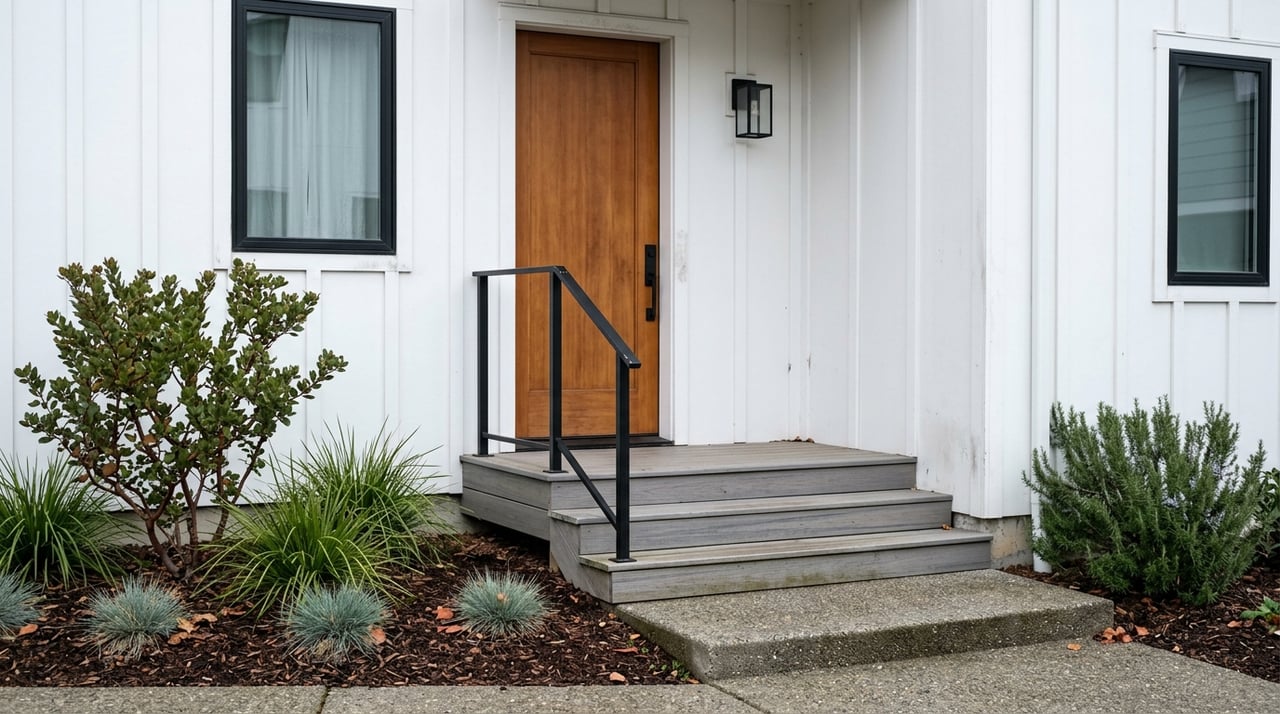
Thinking about buying a condo or townhome in Daly City? You are not alone, and you are asking the right questions. In a market where homes can move quickly and prices can vary a lot by property type, attached housing can be a smart path to ownership if you understand the full picture. This guide will walk you through Daly City condo and townhome pricing, layout differences, HOA basics, and the key documents to review before you commit. Let’s dive in.
Daly City market basics
Daly City remains a competitive market. Recent market data shows a median sale price around $1.16 million, homes selling in about 17 days, and seller-friendly conditions with a median list price near $999,000 and a 108% sale-to-list ratio.
For you as a buyer, that means condos and townhomes deserve a close look. They may offer a lower entry point than many detached homes in Daly City, but you still need to measure affordability by total monthly cost, not just the list price.
Condo vs townhome prices in Daly City
Current listing snapshots show a clear range between attached home types. Condo listings in Daly City have recently centered around a median listing price of about $620,000, while townhomes have recently been closer to about $1.18 million.
That gap matters. A condo may help you enter the Daly City market at a lower upfront price, while a townhome may offer more space and a more house-like feel but at a price that can approach detached homes.
What condo pricing can look like
Current Daly City condo listings range widely. You may see a studio around 495 square feet priced near $350,000, one-bedroom units from roughly $439,000 to $620,000, and larger two- or three-bedroom units that climb much higher.
That range is important because it shows there is no single “typical” condo. Some feel like compact starter homes, while others are large enough to compete with more traditional family-sized options.
What townhome pricing can look like
Townhome-style inventory in Daly City also varies, but it often sits at a higher price point than condos. Current examples include smaller two-bedroom homes and larger four-bedroom layouts, with some listings overlapping with the city’s broader detached-home price range.
If you want more separation between living and sleeping spaces, a townhome may feel like the better fit. But the price difference means you should compare your monthly payment carefully before deciding.
What Daly City condos and townhomes feel like
Price is only part of the story. Layout, storage, parking, and privacy can shape your daily life just as much as the mortgage payment.
Condo features to expect
Daly City condos come in a wide range of sizes and floor plans. Some are compact and efficient, while others offer more than 1,300 or even 1,600 square feet.
In many condo communities, you may also see amenities like gated access, pools, clubhouses, fitness centers, spas, dog parks, garages, or private decks and patios. Those features can add convenience, but they are also part of what your HOA dues help pay for.
Townhome features to expect
Townhomes in Daly City often feel more like small single-family homes. Current listings commonly highlight multi-level layouts, private entrances, upstairs bedroom groupings, assigned or two-car parking, and private decks or patios.
If you like the idea of more defined spaces, less shared hallway living, and easier parking, a townhome may check more boxes. For many buyers, that extra privacy and layout flexibility is the main appeal.
Why HOA details matter so much
When you buy many condos or townhomes in California, you are usually buying into a common interest development. That means you are not just purchasing the home itself. You are also becoming a member of the homeowners association.
This is one of the biggest differences between attached housing and a detached home. The HOA helps manage common property, pays for certain services like insurance, and enforces the community’s governing documents.
Ownership is more specific than many buyers expect
California law defines a condominium as an undivided interest in common in part of the real property plus a separate interest in a specific unit space. In practical terms, that means your ownership boundary may be more technical than it first appears.
For example, interior surfaces of perimeter walls, floors, ceilings, windows, doors, and outlets are generally part of the separate interest unless the recorded plan says otherwise. That is why it is so important to review the documents and not assume the HOA covers everything outside the drywall.
Maintenance may be shared, but not always simple
Many buyers choose a condo or townhome because they want less exterior maintenance. That can be a real advantage, but you still need to understand the division of responsibility.
California rules generally say the owner maintains exclusive-use common areas connected to the unit unless the governing documents say something different, while the association typically repairs and replaces that exclusive-use common area. In plain language, you need to confirm who handles items like windows, patios, siding, roofs, and parking areas before you remove contingencies.
Look beyond the list price
A condo with a lower sticker price is not always the lower-cost option month to month. In Daly City, one current condo listing shows an HOA due of $811 per month, which is a good reminder that dues can meaningfully affect your budget.
That does not mean condos are a bad value. It means you should compare homes based on the full monthly picture, including:
- Mortgage payment
- Property taxes
- HOA dues
- Homeowners insurance or interior unit coverage
- Possible future assessments
When you run the numbers this way, the best option becomes much clearer.
Documents to review before you commit
In California, the HOA disclosure package is a major part of buyer due diligence. Sellers must provide a wide range of HOA-related documents before transfer, and these materials can tell you a lot about the health of the community and the risks you may be taking on.
This is not paperwork to skim. It is one of the most important parts of buying a Daly City condo or townhome.
Focus on these HOA documents
Before you remove contingencies, ask for and review:
- CC&Rs
- Bylaws
- Current HOA budget
- Reserve study or reserve information
- Insurance summary
- Current assessments and fees
- Any pending special assessments
- Rental restrictions
- Board minutes, if requested
- The most recent inspection report
These documents help you understand the rules, the finances, and whether major repairs may be coming.
Why reserves and assessments matter
California requires annual HOA budget reporting that includes reserve and insurance summaries. That is important because weak reserves can increase the chance of higher dues or special assessments later.
There are limits on how much regular and special assessments can increase without majority approval, but that does not remove the risk of future costs. A financially healthy HOA can make your ownership experience more predictable.
Why insurance matters too
The HOA’s insurance policy may not cover your unit interior, personal property, or improvements in and around the dwelling. Buyers sometimes assume the HOA master policy handles everything, but that is not always the case.
That is why the insurance summary deserves careful attention. You want to know what the association covers and where your own policy needs to fill the gap.
Financing questions to ask early
If you plan to use FHA or VA financing, verify project approval status as early as possible. California disclosure rules require condominium projects to disclose FHA and VA approval status, and that can affect whether a specific home works with your loan program.
This is an easy issue to check early and a frustrating one to discover late. A little upfront verification can save time, money, and stress.
Condo, townhome, or detached home?
For many Daly City buyers, this decision comes down to balancing three priorities: upfront cost, maintenance, and control. Each option offers a different mix.
A simple decision framework
Think about your choices this way:
- Condo: Often the lowest entry price and usually the least personal exterior maintenance
- Townhome: More house-like layout, often more space or parking, and a middle ground between condo and detached living
- Single-family home: More control, more privacy, and direct ownership of the yard and exterior, usually at a higher entry price
None of these options is automatically best. The right fit depends on what matters most to you right now and how you want to live over the next several years.
A smart approach for Daly City buyers
If you are buying your first home or trying to stay flexible in a competitive market, a condo or townhome can be a strong option in Daly City. The key is to look past the headline price and understand the real monthly cost, the HOA structure, and the community’s financial health.
With the right review process, attached housing can offer a practical path into homeownership while still giving you the space, features, and location you want. If you want help comparing Daly City condos, townhomes, and single-family options side by side, Bryan Cruz and Rey Ancheta are here to guide you with local insight and a clear, step-by-step approach.
FAQs
What is the difference between a condo and a townhome in Daly City?
- In Daly City, condos often have a lower entry price and may include more shared amenities, while townhomes often have multi-level layouts, private entrances, and a more house-like feel.
Are Daly City condos usually cheaper than townhomes?
- Recent listing snapshots show Daly City condos at a lower median listing price than townhomes, but you should compare total monthly cost because HOA dues can narrow the gap.
What does an HOA usually cover in a Daly City condo or townhome?
- The HOA generally manages common property, pays for certain services such as insurance, and enforces governing documents, but the exact maintenance split depends on the recorded plan and HOA documents.
What HOA documents should Daly City buyers review before removing contingencies?
- Daly City buyers should review the CC&Rs, bylaws, budget, reserve information, insurance summary, current assessments, pending special assessments, rental restrictions, board minutes if requested, and the latest inspection report.
Can you use FHA or VA financing for a Daly City condo?
- Possibly, but you should verify the project’s FHA or VA approval status early because California disclosure rules require condominium projects to provide that information.
Why do HOA reserves matter when buying a Daly City condo or townhome?
- HOA reserves matter because weak reserves can lead to higher dues or special assessments later, which can affect your monthly cost and long-term ownership experience.
