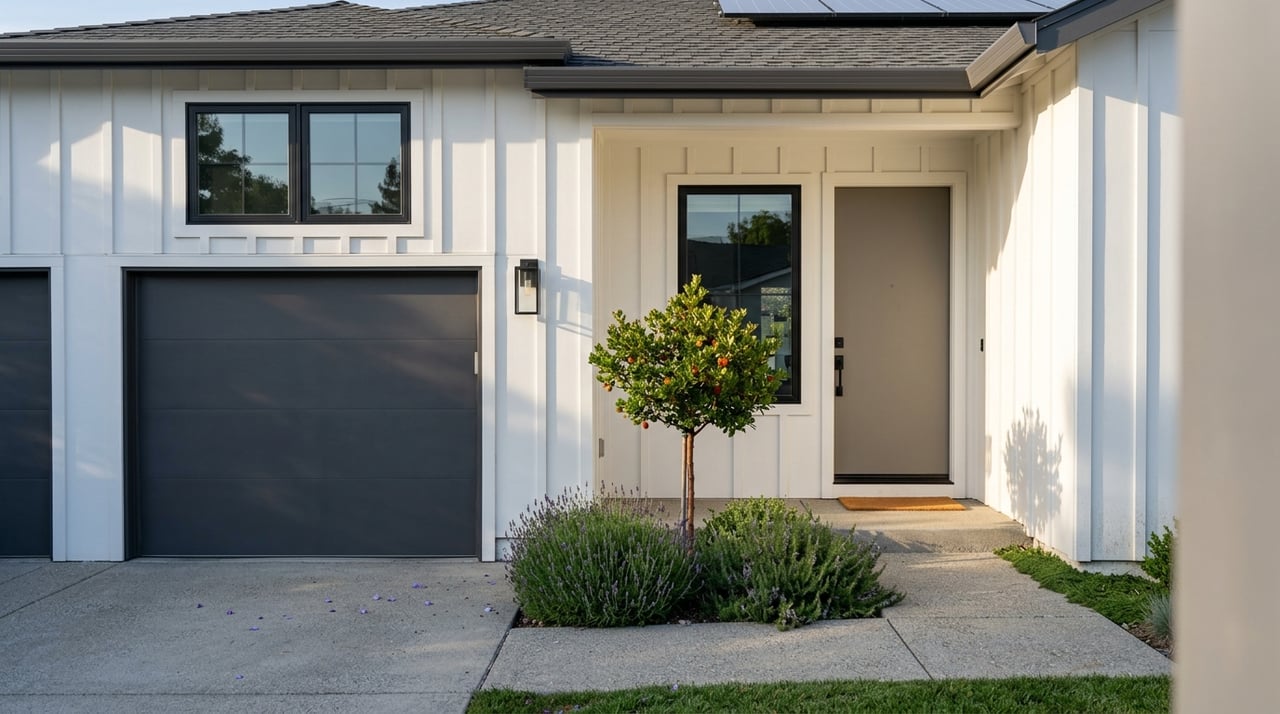
Thinking about selling in South San Francisco and wondering how to stand out online? In a market where most buyers first meet your home on a screen, the right marketing plan can mean more showings, stronger offers, and fewer days on market. You want clarity on what actually moves the needle, what it costs, and how to time everything for maximum impact. This guide gives you a step-by-step, Peninsula-ready plan rooted in current buyer behavior and proven tactics. Let’s dive in.
Why South San Francisco needs a plan
South San Francisco remains a high-demand Peninsula market with a strong biotech base, commuter access, and steady buyer activity. Recent reports place the city’s median sale price around $1.3 million, with list-price signals varying by source. Treat these as complementary indicators and focus your strategy on positioning, presentation, and reach.
Lean into what local buyers value. Many work in or near the biotech corridor and commute via Caltrain, US 101, or I‑280. Your listing should highlight commute profiles, proximity to job centers, and neighborhood amenities that define the city’s identity. You can reference the city’s overview to inform your copy and visuals by reviewing South San Francisco’s civic profile and biotech history on the city site at About South San Francisco.
Prep to list: staging, repairs, disclosures
Staging is one of the highest-impact investments you can make. According to the National Association of REALTORS, staging commonly helps homes sell faster and can lift offers on average within the 1–10 percent range reported by agents. The key is focus. Prioritize the living room, kitchen, and primary bedroom. See NAR’s summary on why staging boosts price and reduces time to sale at NAR staging research.
Typical budget ranges to plan for:
- Photography: roughly $150 to $600 for pro photos, with add-ons for dusk shots, drone, floor plans, or 3D tours. Expect higher pricing near San Francisco for premium packages.
- Staging: a consult or partial staging can be modest, while full-home staging with rentals often ranges from several hundred to several thousand dollars depending on scope and size. The exact ROI varies by price band, but NAR’s research shows consistent benefits when done well.
Before you list, tackle quick repairs and get your paperwork in order. In California, most sellers of 1–4 unit residential properties must deliver key disclosures, including the Transfer Disclosure Statement, the Natural Hazard Disclosure where applicable, and the Seller Property Questionnaire. Work with your agent and escrow to complete and deliver these on time. Review state requirements summarized here: California property disclosure laws.
Pro tip: Consider a pre-list inspection to identify major systems issues. Fix what is feasible, and clearly disclose the rest. This reduces renegotiation risk and can speed your closing.
Build listing assets buyers love
Pro photography that leads
High-quality, day-one photography sets the tone. Aim for approximately 22 to 27 well-sequenced photos so buyers can experience the full story. Lead with hero images that matter most to South San Francisco buyers, like an updated kitchen, bright living space, and an exterior that showcases curb appeal. Add context with neighborhood and transit advantages when appropriate.
Tips that work locally:
- Highlight proximity to Caltrain and key commute routes when helpful to the buyer profile.
- Use drone sparingly to illustrate location context or views, not as a gimmick.
- Upload the complete gallery to the MLS before syndication so portals show the full story from day one.
3D tours and short video
Buyers increasingly rely on richer media to screen homes. A Matterport or similar 3D tour can increase engagement and reduce unqualified showings by helping remote and relocation buyers understand layout and scale. Learn more about how 3D tours support real estate marketing at Matterport’s marketing ideas.
Short listing videos for social can expand reach and drive traffic to your open houses or landing page. Keep them clear and focused on buyer benefits.
Floor plans and virtual staging
Floor plans help online viewers grasp flow and room sizing quickly. For vacant spaces, virtual staging can be a cost-effective complement to physical staging. Always disclose virtual staging per portal rules and local practice. If you use both a 3D tour and a floor plan, you give buyers two of the most requested decision tools.
MLS, portals, and premium placement
The MLS is the authoritative source for your listing. Your brokerage can opt into syndication to third-party portals so your home appears where buyers search. Confirm how your local MLS provider handles syndication and what your agent does to keep third-party data accurate. For background on syndication and policy context, see this MLS briefing: SCCAR MLS syndication overview.
Premium placements can magnify exposure. Products like Zillow Showcase present your home in a richer format and have been associated with higher engagement and small average price lifts in platform analyses. Whether to invest depends on your price band and expected return. Your agent should weigh the product cost against the potential lift and your timeline.
Optimize your listing page copy across MLS and portals:
- Write buyer-facing lead lines that highlight commute convenience and neighborhood benefits.
- List specific upgrades, major systems, and accurate square footage.
- Ensure your full photo set, floor plan, and 3D tour are live on day one.
- Include a clear call to action with easy showing instructions.
Smart paid campaigns that scale reach
A targeted paid mix helps you capture both active searchers and local awareness.
- Search ads: Use Google Search and Performance Max to capture in-market buyers searching terms like “South San Francisco homes near Caltrain.” See setup tips for Performance Max here: Optimizing Google Performance Max.
- Social ads: Run Facebook and Instagram as awareness and event drivers. All housing ads must use Meta’s Special Ad Category, which restricts demographic targeting. Build audiences using allowed signals like broader geography, interests, and first-party data. Review the policy at Meta Special Ad Category for housing.
- Geofencing and programmatic display: Use geo campaigns to promote open houses around nearby neighborhoods, commuter routes, or major biotech campuses. Aim for measurable landing-page actions or visit signals. Learn foundational tactics at Geofence marketing campaigns.
Budget benchmarks for a two to three-week launch test typically range from $500 to $1,500, with broader prospecting from $1,500 to $6,000 depending on competitiveness. Expect Peninsula costs to run higher than national averages. Calibrate spend based on cost per lead and actual showing quality. Industry analyses discuss typical ranges here: Real estate lead vendor costs and CPL.
Lead handling is critical. Respond within minutes to new inquiries, score leads consistently, and track which channels create qualified showings. Decide if you want exclusivity on portal leads or to rely more on owned channels like your agent’s website and social.
Pricing and timing to win week one
Late spring is often seasonally strong for sellers. Realtor.com’s “best week to list” analysis points to a mid-April window in many markets, and end-of-week listing dates like Wednesday or Thursday can help you capture weekend traffic. Always localize timing to South San Francisco inventory and your agent’s buyer pipeline.
Price to land inside active buyer search bands. The first 7 to 10 days generate the most views. Set a list price that maximizes traffic without overshooting the band buyers are filtering for, and have your full marketing push ready for launch week.
Metrics that prove it is working
Track these KPIs from day one and review weekly with your agent:
- Listing pageviews and saves on major portals.
- Number of qualified leads and source breakdown.
- Showings per week and open house attendance. The NAR’s generational trends report is a useful reference on how buyers find homes and interact with listings at NAR Generational Trends.
- Days on market and days to accepted offer.
- Sale-to-list price ratio at closing. Compare against San Mateo County snapshots for context. For county pacing and supply, view SAMCAR’s monthly summaries at SAMCAR market snapshots.
A 60-day launch timeline
Use this outline to move from prep to a strong debut. Your agent can tailor each step to your home and timeline.
- Day −60 to −30: Select your agent, complete a comparative market analysis, plan staging, gather HOA and disclosure packets, and schedule photography, video, and 3D scanning. Review California disclosure timing and forms at CA property disclosures.
- Day −30 to −7: Finish repairs, paint, and landscaping. Stage priority rooms. Finalize listing copy that spotlights commute and neighborhood benefits. Start targeted “coming soon” exposure to your agent’s buyer network and social audience.
- Day −7 to 0: Capture photography, floor plans, and 3D tour. Build a simple property landing page and set up launch ads across search, social, and geofenced display. Explore 3D tour best practices at Matterport marketing ideas. Upload all assets to the MLS and verify accuracy.
- Day 0 to 14: Go live with a coordinated push. Consider a premium portal feature if the ROI pencils. Host a broker preview and weekend open house with clear follow-up. Monitor portal analytics and ad performance and adjust creative or budget based on early signals.
Starter budget ranges to expect:
- Professional photos and basic edits: $150 to $600.
- Matterport or 3D tour: $100 to $1,000 depending on home size and vendor. See pricing examples at Real estate photography pricing overview.
- Staging: from hundreds for a consult or partial service to $2,000 to $8,000 or more for full-home staging, depending on square footage and rental needs. NAR’s research supports the ROI pattern.
- Paid launch advertising test: $500 to $2,500 in the first 2 to 3 weeks, then adjust by results. See CPL context at Lead vendor costs and CPL.
Put your plan into action
If you want a high-touch, Peninsula-focused team that pairs warm client care with brokerage-level production, we are ready to help you prepare, launch, and negotiate with confidence. From staging and pro media to Zillow Showcase and targeted digital campaigns, we tailor a marketing plan to your price band and timeline, then back it up with clear reporting.
Ready to see what your home could sell for and map your launch window? Get your instant estimate and a custom strategy session with Bryan Cruz and Rey Ancheta.
FAQs
Do South San Francisco sellers really need staging?
- Yes. NAR research shows staging commonly shortens time on market and can increase offer value on average, especially when you focus on key rooms.
How many listing photos should I use?
- Aim for about 22 to 27 high-quality photos with a strong hero image first, plus a floor plan and, if possible, a 3D tour for layout clarity.
What disclosures are required for California sellers?
- Most 1–4 unit residential sales require the Transfer Disclosure Statement, Natural Hazard Disclosure where applicable, and the Seller Property Questionnaire.
Are premium portal features like Zillow Showcase worth it?
- They can be, particularly in higher price bands, when the expected engagement and price lift outweigh the product cost in your specific market.
When is the best time to list my home?
- Late spring often shows stronger buyer traffic, and launching midweek can boost first-week visibility, but tailor timing to local inventory and your goals.
