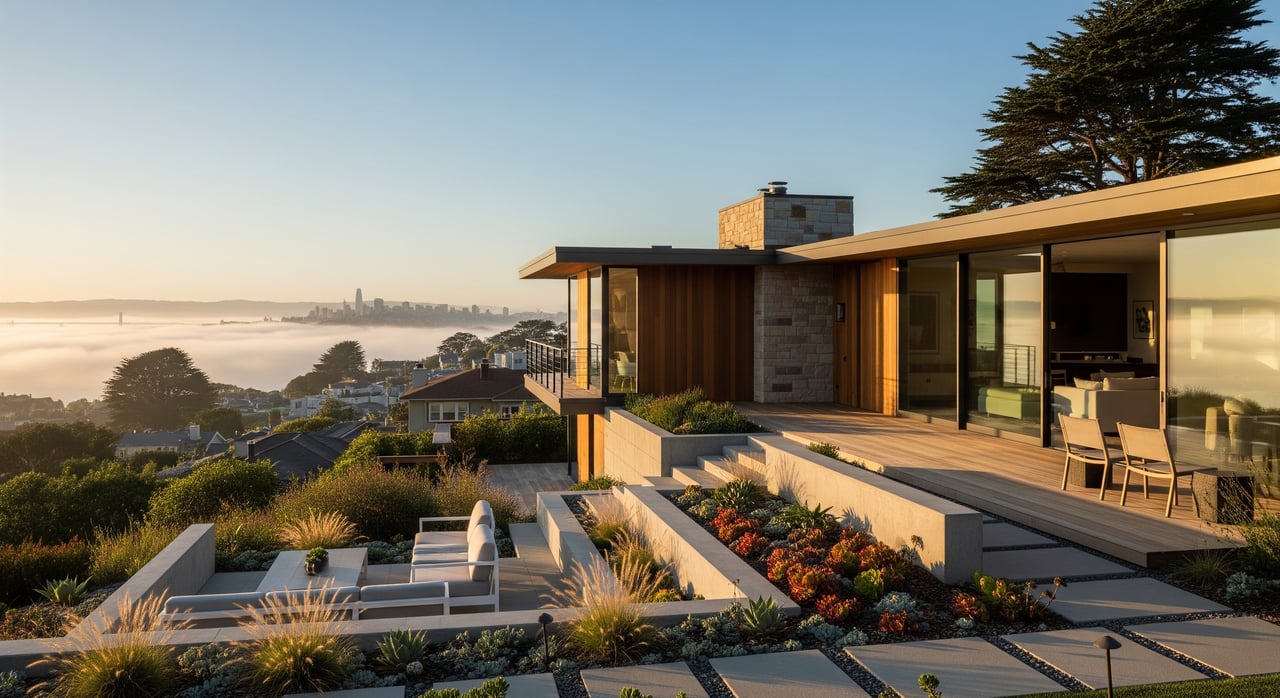
Thinking about Daly City as your next home base? You want neighborhood comfort, a manageable commute, and everyday amenities that fit real life. This guide gives you a clear look at how Daly City lives: where people settle, how they get around, and what day-to-day feels like. You will walk away with a practical sense of neighborhoods, transit choices, parks, schools, and housing options. Let’s dive in.
Daly City at a glance
Daly City sits just south of San Francisco at the top of San Mateo County. Many residents work in San Francisco or elsewhere on the Peninsula and choose Daly City for its suburban feel and regional access. The city’s housing is largely post‑WWII, with single-family homes, apartments, and condos near major corridors. Commercial hubs like Serramonte Center and Westlake give you one-stop access to shopping, services, and dining.
You will find a diverse, welcoming community. Households range from long-time residents to first-time buyers and commuters, with a significant immigrant population that shapes local businesses and cultural life. Most neighborhoods are car-oriented, but you will also see pocket parks, walkable shopping areas, and convenient transit links.
Neighborhood snapshots
Neighborhood boundaries are flexible here, but these local names will help you get your bearings.
Westlake
Tree-lined streets, post-war homes, and a mix of apartments give Westlake a calm residential feel. You will find neighborhood parks and schools nearby. Westlake’s shopping areas and services make daily errands simple.
Serramonte and the Center corridor
Serramonte Center anchors Daly City’s largest retail hub with groceries, restaurants, and services. Higher-density housing and newer infill appear around the mall and major roads. Bus routes and arterials make this a practical home base for commuters.
St. Francis Heights
This is a residential area with a mix of single-family homes and apartments. You will find parks close by and a steady neighborhood rhythm. Many residents choose it for its straightforward suburban character.
Crocker and northern edges
These areas border San Francisco with rolling topography and, in some spots, impressive views. Living here often means shorter trips into the city. Some homes capture panoramic Bay or city vistas.
Southern Hills and Skyline-adjacent pockets
Hilly streets, elevated outlooks, and a more tucked-away setting define these pockets. You may see larger lots in limited areas. The west side offers quick access to open space and coastal views.
Broadmoor (adjacent, unincorporated)
Broadmoor sits next to Daly City but is unincorporated, so services are county-managed. It has its own identity while feeling connected to Daly City’s daily life. If you look here, be mindful of differences in services and zoning.
Commute and getting around
Daly City is one of the better-connected Peninsula suburbs to San Francisco, especially by BART. Your best route depends on where you work and how much you value predictability versus flexibility.
BART to San Francisco
The Daly City BART station offers frequent service to downtown San Francisco and connections across the Bay. For many, BART is faster and more predictable than driving during peak hours. If you work near Market Street or the Embarcadero, BART is often the simplest choice.
SamTrans and Caltrain connections
SamTrans runs local and cross-peninsula buses that link neighborhoods to BART and to Caltrain in nearby cities like South San Francisco, San Bruno, and Millbrae. If your job is along the Caltrain corridor, you might bus or drive to a station, then ride south. Many residents blend bus, rail, and short drives depending on schedule and weather.
Driving on the Peninsula
You have quick access to I‑280 and US‑101 for north-south travel. Drive times can swing widely with traffic, especially during peak periods. If you commute into San Francisco, consider parking costs and, if crossing bridges, tolls. Many people use park-and-ride strategies around BART or Caltrain to avoid downtown parking.
Airport access
San Francisco International Airport is relatively close. Depending on time of day and your origin, you can take BART, SamTrans, or drive via US‑101 or I‑280. This is a plus for frequent flyers and visiting family.
Parks, shopping, and daily life
Daly City’s everyday rhythm is practical and easy to navigate. You will find local parks, a standout retail hub, and quick escapes to the coast.
Outdoor spaces and coast
Mussel Rock to the west offers coastal bluffs, Pacific views, and coastal trails. It is known for dramatic scenery and paragliding, though some access points are rugged and erosion is a natural factor. You are also close to the Golden Gate National Recreation Area and other coastal parks for hiking, beach time, and scenic overlooks. Neighborhood parks across the city support playground time, casual sports, and evening walks.
Everyday shopping and services
Serramonte Center is the city’s largest retail destination, with national retailers, groceries, and dining. The Westlake area and other smaller commercial strips provide everyday essentials like pharmacies, banks, clinics, and restaurants. Health care options include urgent-care clinics and nearby regional hospitals in adjacent cities.
Food and culture
Dining reflects Daly City’s diversity, especially Filipino and other Asian cuisines alongside American favorites. You will see family-run businesses, bakeries, and casual spots near shopping areas and major corridors. Community events often pop up at civic centers, parks, and shopping plazas, so it is worth checking local calendars for festivals and seasonal markets.
Schools and family resources
Daly City is served by a mix of local elementary school districts and the Jefferson Union High School District for secondary education. Private and parochial options exist in the broader area. School quality and programs can vary, so it is smart to review official reports and community feedback.
- Use state education reports for test scores, enrollment, and program details.
- Visit district websites for boundary maps and program updates.
- Review independent sites for parent perspectives. Compare multiple sources to get a balanced view.
Family services include the Daly City Public Library system, community centers, parks, and youth sports programs. These resources help families plug into the area quickly after moving.
Housing and what to expect
Buying or renting in Daly City means balancing commute priorities, home style preferences, and budget in a high-cost regional market.
Home types and age
You will see many single-family homes from the post-war era with mid-century layouts. Garden-style apartment complexes and multi-family buildings are common, especially around Westlake and major corridors. Condos and townhomes appear near shopping areas and newer infill sites where higher density makes sense.
Budget and price context
Daly City is generally more affordable than many parts of San Francisco, while still reflecting Bay Area pricing. Market conditions change quickly, and medians can shift year to year. If you are comparing cities, make sure you have a current snapshot before you set a budget.
Practical buyer tips
- Inspect for age-related items. Older homes may need updates and, in some cases, seismic retrofitting. Budget for improvements over time.
- Check zoning and development. Areas near Serramonte and major roads may allow higher density. Review city and county planning pages if you have long-term renovation plans.
- Understand local hazards. Coastal bluffs and some hillside areas have erosion or landslide considerations. Review local geology and flood maps for properties that sit near slopes or the coast.
- Weigh commute trade-offs. BART is convenient for downtown San Francisco, while Caltrain requires a short drive or bus connection. Factor in station parking, local street parking, and peak-hour congestion.
How a local team helps
Choosing where to live is personal. A local advisor can help you match neighborhoods to your commute, budget, and lifestyle. With a neighborhood-first approach and a patient, educational style, you can move from browsing to confident decision-making.
- For buyers: step-by-step guidance on neighborhoods, budgets, and offer strategy, plus MLS-synced search tools that keep you ahead of new listings.
- For sellers: clear pricing, staging, and professional marketing that gets your home in front of the right buyers, including high-quality photography and distribution across major platforms.
- For investors: local insight on rental demand and property types that perform well near transit and retail centers.
If you are weighing Daly City against nearby options like South San Francisco or Pacifica, a short tour can clarify trade-offs fast. You will quickly see how neighborhoods feel at different times of day, and how your commute and daily routine might actually work.
Ready to explore? Reach out to the local team that combines community fluency, clear communication, and brokerage-grade marketing. Connect with Bryan Cruz and Rey Ancheta for a friendly consult or an instant home valuation when you are ready.
FAQs
What is the commute like from Daly City to downtown San Francisco?
- Many residents take BART from Daly City station for predictable travel into downtown. Driving is possible via I‑280 or US‑101, but peak-hour traffic and parking can add time and cost.
Which neighborhoods in Daly City are closest to major shopping?
- The Serramonte area is the largest retail hub, with Westlake offering additional shopping and services. Both areas provide easy access to groceries, dining, and everyday errands.
Are there Caltrain stations in Daly City for Peninsula commutes?
- There is no Caltrain station in Daly City. The nearest stations are in South San Francisco, San Bruno, and Millbrae, which you can reach by SamTrans or a short drive.
What outdoor and coastal options are nearby Daly City?
- Mussel Rock provides coastal bluffs and ocean views, while nearby Golden Gate National Recreation Area sites offer trails, beaches, and scenic overlooks for weekend hikes.
How do I research schools in Daly City?
- Check the Jefferson Union High School District and local elementary district information, review state education reports, and compare independent resources for community feedback.
What types of homes are common in Daly City?
- You will find many post-war single-family homes, garden-style apartments, and condos or townhomes near major corridors and shopping centers.
What should buyers consider about Daly City’s terrain and hazards?
- Some hillside and coastal areas have erosion or landslide considerations. Review local geology and flood maps and use inspections to evaluate property conditions.
