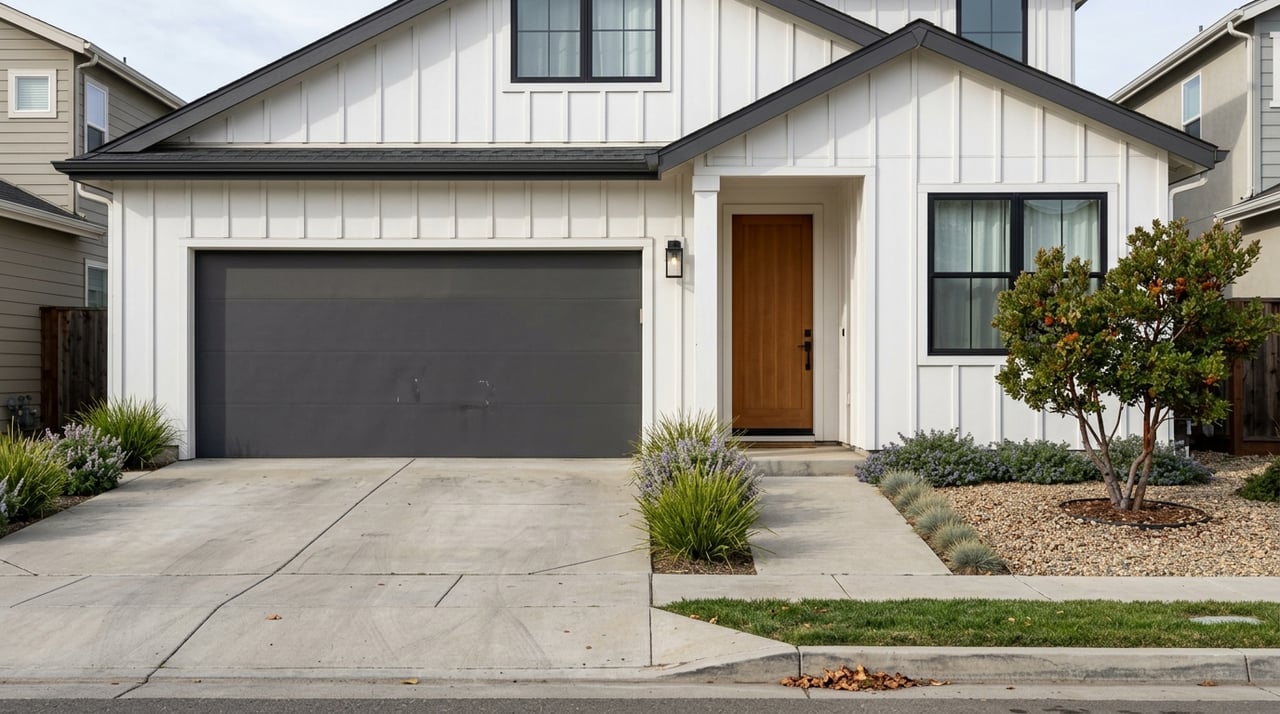
Thinking about moving to San Bruno? If you want a Peninsula city that balances everyday convenience, public transit access, and a more neighborhood-centered feel, San Bruno deserves a close look. Whether you are comparing cities for your next home or trying to understand how San Bruno fits into your daily routine, this guide will walk you through schools, commute options, and the overall neighborhood vibe. Let’s dive in.
Why San Bruno Stands Out
San Bruno offers a compact layout that makes daily life feel manageable. City planning and parks information point to a place shaped by residential neighborhoods, local parks, a downtown corridor, and major transit connections rather than one single commercial center.
That matters if you want a city where errands, recreation, and commuting can all feel connected. San Bruno sits in a practical middle ground on the Peninsula, with a more residential and park-oriented feel than some nearby areas and strong access to regional transit.
San Bruno Schools Overview
If schools are part of your home search, San Bruno is important to understand at the address level. District boundaries can vary, so it is smart to verify a specific property before making decisions.
For many households, the main public-school pathway starts with the San Bruno Park School District. The district lists four elementary schools, Allen, Belle Air, John Muir, and Portola, along with Parkside Intermediate and preschool programs.
For high school, many San Bruno addresses feed into the San Mateo Union High School District. The district serves San Bruno and nearby cities, provides an address-based school locator, and notes that Capuchino High School is located in San Bruno.
Some addresses may instead fall within the South San Francisco Unified School District service area. Because of that, checking boundaries for any home you are considering is one of the most important steps in your search.
Why Boundary Checks Matter
In San Bruno, school assignment is not something you should guess based on neighborhood name alone. Even within the same city, the assigned district can differ by address.
If schools are a top priority for your household, use the district tools early in your search. That extra step can help you narrow homes more confidently and avoid surprises later.
San Bruno Commute Options
One of San Bruno’s biggest strengths is transportation. For many buyers, the city works well because it gives you multiple ways to move around the Peninsula and connect to San Francisco, SFO, and Silicon Valley.
The San Bruno BART station is a major anchor for the city. BART notes that the station serves the Antioch/SFIA/Millbrae and Richmond/Millbrae/SFIA lines, and it also includes parking, bike lockers, and SamTrans connections.
San Bruno also benefits from Caltrain service in Zone 1. Caltrain serves the Peninsula corridor south toward San Jose and Gilroy, and the city highlights it as a useful option for commuters traveling to San Francisco, Silicon Valley, and points in between.
For local bus access, San Bruno’s transit picture is supported by SamTrans as well. The city notes that Route ECR runs every 15 minutes on weekdays and every 20 minutes on weekends, which can help with daily errands and station connections.
What the Commute Feels Like
From a lifestyle perspective, San Bruno gives you choices. You are not relying on only one station, one route, or one kind of trip pattern to get through your week.
That flexibility can be a real advantage if your schedule changes often, if more than one person in your household commutes differently, or if you want access to transit without living in a denser urban core. It is one of the reasons San Bruno often appeals to buyers looking for convenience without giving up a neighborhood feel.
Neighborhood Vibe in San Bruno
San Bruno feels local in a way that many buyers appreciate right away. Instead of reading as one large, uniform city, it feels like a collection of smaller residential pockets tied together by parks, transit, and everyday commercial areas.
City planning materials reference subareas including San Bruno Park, Belle Air Park, Lomita Park, Bayhill, Rollingwood, Tanforan, Monte Verde, Pacific Heights, Crestmoor, and Portola Highlands. That does not mean every area feels the same, which is why touring in person can be so helpful.
Overall, the city comes across as compact and neighborhood-centered. Based on the city’s planning, parks, downtown, and transit documents, San Bruno is best understood as a place where residential life, local services, and regional access all sit close together.
Downtown San Bruno
Downtown gives San Bruno some of its community rhythm. The city is actively investing in the Downtown Beautification Project, and events like Centennial Plaza 1st Thursdays show ongoing programming along San Mateo Avenue.
For you as a resident, that means downtown is more than just a pass-through. It is part of the city’s everyday identity, with a smaller main-street pattern that can feel more personal than a larger regional retail hub.
Parks and Recreation
San Bruno’s park system plays a big role in the city’s vibe. The city maintains 19 parks across 97 acres, giving many neighborhoods access to nearby outdoor space.
The Recreation and Aquatic Center adds another layer to daily life with indoor and outdoor pools, a fitness room, group exercise classes, and a gymnasium. If you value routine amenities close to home, this is a meaningful part of San Bruno’s appeal.
Several named spaces help illustrate how neighborhood life works here. Posy Park sits near downtown and Caltrain, Belle Air Park and Lion’s Field serve the Belle Air area, and Fleetwood Park is a familiar feature in Rollingwood.
Shopping and Daily Errands
San Bruno has a few clear activity nodes rather than one single retail story. The Bayhill area is one of them, with city planning documents describing it as home to the largest cluster of offices in San Bruno, including Bayhill Office Park and Bayhill Shopping Center.
The Tanforan area is another major part of the city, although it is also changing. City documents describe a Tanforan redevelopment plan that would transform the current shopping-center area into a transit-oriented mixed-use development with housing.
For buyers, that signals a city that is evolving. Some parts of San Bruno feel established and neighborhood-driven, while others may look different over time as redevelopment moves forward.
How San Bruno Compares Nearby
If you are deciding between Peninsula cities, San Bruno can be easier to understand in context. Compared with Daly City, San Bruno’s daily-life pattern is less centered on major regional retail areas and more centered on local neighborhoods, parks, and a smaller downtown structure.
Compared with South San Francisco, San Bruno has a lighter employment footprint. South San Francisco is strongly associated with its biotech economy, while San Bruno reads as more residential in its day-to-day feel.
For many buyers, that makes San Bruno a middle-ground option. You get strong commute infrastructure and practical access to larger Peninsula job centers, but your home base may feel a bit calmer and more neighborhood-oriented.
Who San Bruno May Fit Best
San Bruno can make sense for several types of buyers. If you are a first-time buyer, you may appreciate the city’s transit access, manageable layout, and variety of residential pockets.
If you are moving for more space or a different daily rhythm, San Bruno may also appeal because it combines parks, schools-by-address options, and a more grounded neighborhood feel. And if commute flexibility matters in your household, having BART, Caltrain, and bus access in the same city can be a big plus.
The best way to evaluate San Bruno is to line up your priorities. Think about your likely commute, the importance of school-boundary verification, how often you use parks or recreation facilities, and whether you prefer a smaller downtown feel over a more retail-heavy environment.
Bottom Line on Living in San Bruno
San Bruno offers a practical Peninsula lifestyle built around transit access, neighborhood parks, and a city layout that feels easy to learn. Its school setup requires careful address checks, but its commute options and everyday amenities give many buyers solid reasons to take a closer look.
If you are trying to decide whether San Bruno matches your goals, it helps to look beyond the map and compare how each area actually lives day to day. If you want help narrowing down neighborhoods, verifying school boundaries by address, or comparing San Bruno with nearby Peninsula cities, connect with Bryan Cruz and Rey Ancheta.
FAQs
What school districts serve homes in San Bruno?
- Many homes are served by San Bruno Park School District for elementary and intermediate grades and San Mateo Union High School District for high school, but some addresses may fall within South San Francisco Unified School District, so address-based verification is important.
What public transit options are available in San Bruno?
- San Bruno has BART service, Caltrain access in Zone 1, and SamTrans connections, including Route ECR service noted by the city.
What is the neighborhood vibe like in San Bruno?
- San Bruno generally feels compact, residential, and neighborhood-centered, with parks, a downtown corridor, and transit nodes shaping daily life.
Are there many parks and recreation options in San Bruno?
- Yes. The city maintains 19 parks on 97 acres, and the Recreation and Aquatic Center includes pools, fitness space, exercise classes, and a gymnasium.
How does San Bruno compare with Daly City and South San Francisco?
- San Bruno is often best understood as a middle-ground option, with a more residential and park-oriented feel than Daly City’s retail and transit density and a less job-centered feel than South San Francisco’s biotech corridor.
