Selling in San Bruno can move fast, but that does not mean you should rush the prep. In a market where well-positioned homes can attract quick attention, the right steps before you list can shape how buyers respond from day one. If you want to protect your value, avoid preventable surprises, and feel more in control of the process, a clear plan makes all the difference. Let’s dive in.
Why preparation matters in San Bruno
San Bruno remains a high-price, fast-moving market by several public measures. Zillow’s San Bruno home value data placed the average home value at $1,327,402 as of March 31, 2026, and reported homes going pending in about 12 days.
County-level data points in the same direction. MLSListings reported that San Mateo County single-family homes sold in 9 days for 109% of list price in March 2026, with inventory and closed sales both rising from the prior month.
That kind of pace rewards sellers who are ready before the home hits the market. If your home launches in polished, photo-ready condition, you are better positioned to capture strong early interest while buyers are actively watching new listings.
Start with a smart pre-listing plan
A confident sale usually starts with a clear sequence, not a last-minute scramble. The most practical approach is to handle repairs and permit questions first, then move into decluttering and presentation, and finish with photography, video, and listing launch.
That timeline fits broader seller behavior too. Realtor.com’s 2026 timing research found that 53% of sellers took one month or less to get their home ready to list, and also identified April 12 to 18 as the best week to list nationally in 2026.
For many San Bruno homeowners, a 4 to 6 week prep window is enough to make meaningful improvements without overcomplicating the process. The goal is not to renovate everything. The goal is to remove friction for buyers and present the home with care.
Focus on repairs that matter most
Before you spend money, separate cosmetic updates from work that may involve permits, inspections, or disclosures. Fresh paint, deep cleaning, and small touch-ups can improve presentation quickly, while electrical, plumbing, structural, or exterior changes may require a closer review.
The San Bruno Building Division handles permits, plan review, and inspections for work related to building, plumbing, mechanical, electrical, residential, and energy codes. If you have done past work or are thinking about completing projects before listing, it is worth confirming whether permits apply.
This step matters because buyers often notice inconsistencies during inspections and disclosures. Getting ahead of questions now can help reduce stress once your home is under contract.
Check visible exterior issues early
In San Bruno, curb appeal is not just about looks. The city’s Code Enforcement division identifies trash, blight, graffiti, and overgrown vegetation as nuisance issues on private property.
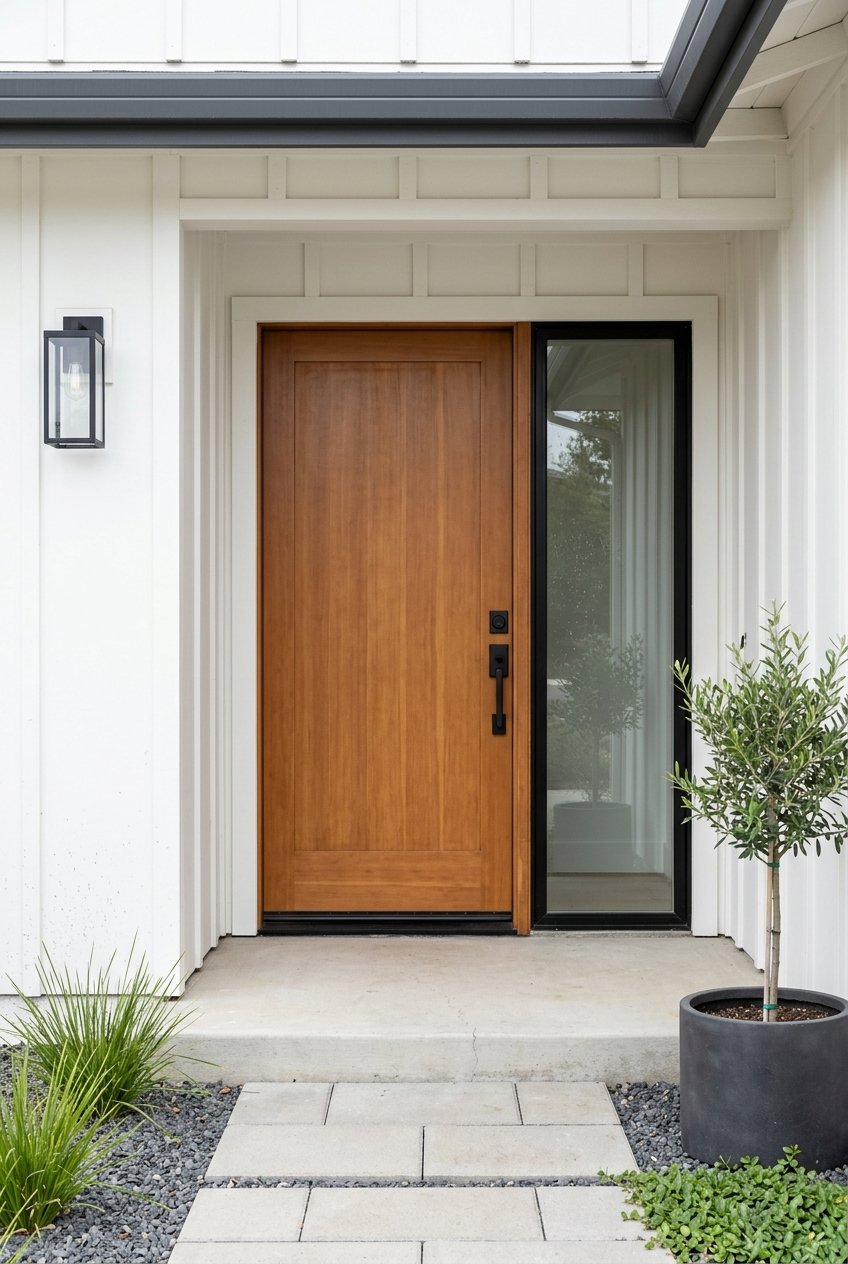
That makes exterior cleanup one of the simplest high-impact tasks before listing. If buyers see a tidy yard, maintained walkways, and a clean exterior in photos and in person, your home starts with a stronger first impression.
Review permits before listing
If you have added, remodeled, or altered parts of your home over the years, it is smart to review what was done and whether the work was properly permitted. Even if a project seems minor, buyers may ask questions once inspections begin.
San Bruno also notes that exterior changes to single-family and two-family homes that require discretionary approval or a building permit should be consistent with the city’s residential design guidelines. That is another reason to avoid guessing and confirm local requirements before you list.
A quick permit review can help you decide whether to address an issue, disclose it clearly, or prepare supporting documentation. That kind of preparation supports a smoother transaction and gives buyers more confidence in the property.
Gather disclosures before buyers ask
Disclosures are a major part of selling with confidence in California. The state’s Real Estate Transfer Disclosure Statement is designed to communicate the property’s condition and known issues. It is not a warranty, and it does not replace inspections, but it does help buyers make informed decisions.
You may also need to address natural hazard disclosures. The same California Department of Real Estate resource explains that these can apply if a property is located in areas tied to flood, dam inundation, earthquake fault, seismic hazard, or certain airport influence zones.
If your home is older, lead-based paint rules may also apply. The EPA’s guidance for sellers of pre-1978 housing says sellers generally must disclose known lead-based paint hazards, share available records, provide the federal lead pamphlet, include a lead warning statement, and give buyers a 10-day opportunity to test for lead.
Do not overlook earthquake-related items
In the Bay Area, seismic safety details often come up during pre-listing and buyer inspections. The California DRE notes that the Homeowner’s Guide to Earthquake Safety is required in some older 1-to-4 unit transfers, and sellers must certify that a water heater is braced, anchored, or strapped for seismic movement.
These are the kinds of details that are easier to handle early than under deadline. When your disclosure package is complete and organized, buyers can evaluate the home with fewer unknowns.
Declutter before you stage
Once repairs and disclosure items are underway, shift your attention to presentation. In many homes, the first win is not full staging. It is removing excess furniture, personal items, and visual clutter so buyers can better understand the space.
That advice is backed by industry data. NAR’s 2025 Profile of Home Staging found that 83% of buyers’ agents said staging made it easier for buyers to visualize a property as their future home, and 49% said staging reduced time on market.
Even when sellers do not fully stage every room, preparation still matters. NAR also found that many sellers’ agents recommend decluttering and correcting property faults instead of skipping prep altogether.
Prioritize the rooms buyers notice first
If you are deciding where to focus time and money, start with the spaces that create the biggest visual impact. According to NAR’s home staging profile, the rooms most often staged are the living room, kitchen, primary bedroom, and dining room.
Those spaces often lead the listing photos and shape a buyer’s first impression online. Clean surfaces, open pathways, balanced furniture placement, and neutral decor can help each room feel brighter and more functional.
Make your home photo-ready
Today, many buyers meet your home online before they ever schedule a tour. That is why visual marketing should never be an afterthought.
NAR found that photos were much more or more important to clients for 77% of buyers’ agents, while videos mattered for 74% and virtual tours for 42%. In a competitive market like San Bruno, strong visuals can help your home stand out the moment it goes live.
This is where preparation pays off. A deep-cleaned, lightly staged, well-lit home gives photography and video a much better foundation, which can improve both click-through interest and showing activity.
Plan your timing around the spring market
If you are hoping to sell in peak season, timing your preparation matters almost as much as timing your listing date. Realtor.com’s 2026 research points to mid-April as the best week to list nationally, while California market patterns noted in that same research suggest prices often rebound as the homebuying season begins in late March or early April.
That does not mean every seller should rush to market. It means you should work backward from your ideal launch window so your home is truly ready when buyer attention is strongest.
A simple planning framework looks like this:
- Weeks 1 to 4: walk-through, repair triage, permit checks, and disclosure gathering
- Weeks 5 to 6: decluttering, deep cleaning, light staging, and curb appeal work
- Final stretch: photography, video, listing copy, and launch
This kind of structure can help you stay focused and avoid doing the right things in the wrong order.
What confident sellers do differently
Sellers who feel more confident are not always the ones who spend the most. Often, they are the ones who prepare with intention.
In San Bruno, that usually means three things: addressing visible defects, checking permit and disclosure items early, and presenting the home in a polished, market-ready way. When you do those things before listing, you reduce the chances of surprises and give buyers a clearer reason to act.
If you are thinking about selling, the best next step is to build a plan around your home, your timeline, and the level of preparation that will make the biggest difference. When you want clear guidance, local insight, and full-service support from prep through launch, connect with Bryan Cruz and Rey Ancheta.
FAQs
What should you fix before selling a home in San Bruno?
- Focus first on visible issues, safety concerns, and deferred maintenance that could affect buyer impressions or inspections. In San Bruno, exterior problems like overgrown vegetation, graffiti, blight, or trash should also be addressed early based on the city’s code enforcement priorities.
Do you need permits for repairs before listing a San Bruno home?
- Some work may require permits, especially if it involves building, plumbing, mechanical, electrical, or energy-related systems. The San Bruno Building Division is the best place to confirm whether past or planned work needs permit review.
What disclosures matter when selling a San Bruno house?
- California sellers typically need to complete a Transfer Disclosure Statement and may also need natural hazard disclosures depending on the property location. Older homes may trigger lead-based paint disclosure rules, and some transfers also require earthquake-related documentation.
Is staging worth it for a San Bruno home sale?
- Staging or light presentation work can be worthwhile because NAR reports that staging helps buyers visualize the home, may improve offered price, and can reduce time on market. Even if you do not fully stage, decluttering and correcting property faults can still make a strong impact.
When is the best time to list a home in San Bruno?
- Spring is often a strong window for sellers, and Realtor.com identified April 12 to 18 as the best week to list nationally in 2026. The most important factor is being fully prepared so your home shows well from the first day on the market.
